Robusta has an image problem: harsh, rubbery, cheap — the filler species. Then you cup a washed Robusta grown at 900 meters on volcanic soil, picked ripe and processed like specialty Arabica, and the image collapses. Dark chocolate, malt, walnut, a clean sweet finish, and a body that no Arabica can match. That is Fine Robusta, and the Bolaven Plateau produces some of the best in Asia.
What Makes a Robusta 'Fine'
Fine Robusta is a defined quality tier, not marketing. Under the Coffee Quality Institute's protocols — developed with the Uganda Coffee Development Authority — a Fine Robusta must meet strict green-defect limits, come from ripe cherry, and score 80+ on the Robusta cupping scale as judged by licensed R-graders. The standards mirror the SCA system that defines specialty Arabica.
The difference between commodity and fine canephora is made in the field and the mill, not the roaster. Strip-picked, ground-dried Robusta tastes the way its handling deserves. Ripe-picked, floated, washed or carefully dried Robusta reveals what the species actually contains: chocolate depth, low acidity, and roughly twice the crema-building solubles of Arabica.
Why the Bolaven Plateau Suits Robusta So Well
Most of the world's Robusta grows near sea level in genuinely hot climates. On the Bolaven Plateau, Robusta occupies the 700–1,000 m band — extreme altitude for the species — with cool nights that slow cherry maturation exactly as they do for high-grown Arabica. Slower ripening means denser beans, more sugar, and a cleaner cup before processing even begins.
Add volcanic soil chemistry and the plateau's dry harvest window, and Lao Robusta starts from advantages most producing regions simply do not have. It is the same terroir argument as our Arabica, applied one altitude band lower — and the cup shows it.
How We Process Fine Robusta
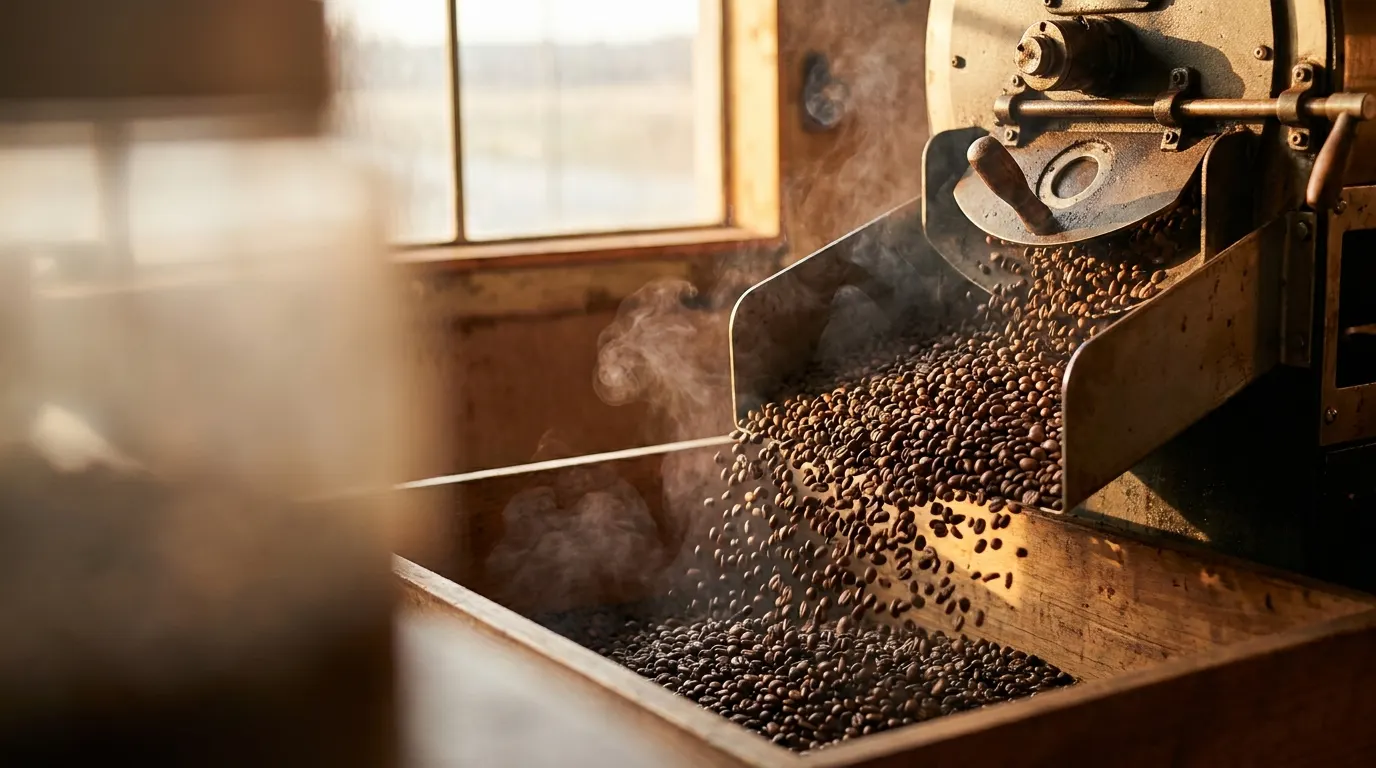
Our flagship preparation is fully washed — rare and labor-intensive for Robusta, and transformative. Ripe cherries are floated, pulped, fermented, washed, and dried on raised beds exactly like our Arabica lots. Washing strips away the earthy roughness of ground-dried naturals and leaves a clean, sweet, chocolate-forward profile that cups closer to a mild Arabica than to anything labeled 'Robusta' on the commodity market.
We also produce clean sun-dried naturals for buyers who want more body and dried-fruit character. Every lot is graded to Fine Robusta defect standards and shipped with SGS verification of moisture, screen, and defect count.
Who Buys It — and Why
Espresso roasters are the natural home: 10–30% Fine Robusta in a blend adds crema, body, and lingering finish that survives milk, while clean processing means no rubber or ash. Instant and cold-brew producers increasingly seek fine canephora for its extraction efficiency. And with climate pressure squeezing Arabica-growing zones worldwide, heat-tolerant quality Robusta is coffee's most strategic category — the segment every serious green buyer is quietly building expertise in.
Lao Fine Robusta typically prices well above commodity Robusta and well below specialty Arabica: a quality-per-dollar position that makes first samples an easy decision. Request one and cup it blind next to your current espresso components; the comparison does our marketing for us.